
Being first in your family to attend college is a big deal. It can be exciting, but it can also leave you with questions your family may not be able to answer.
How do applications work? How will you pay for college? What can you expect when classes start?
If you’re a first-generation college student, you don’t have to figure everything out on your own. We’ll help you understand what the experience may look like and show you how to find support so you can start your college experience with greater confidence.
What Is a First-Generation College Student?
A first-generation college student is someone whose parents did not complete a bachelor’s degree.
But being the first in your family to attend college and earn a degree doesn’t mean you are less prepared or less likely to succeed than anyone else. You may simply have fewer people in your family who can explain the practical side of college life.
Some common challenges of being a first-gen college student include unfamiliarity with administrative processes, financial stress, and knowing how to communicate with instructors.
With the right guidance and support, however, these challenges are much easier to navigate.
Common Misconceptions About First-Generation Students
There are a few misconceptions about first-generation students worth clearing up:
- Myth: they are academically behind
- Myth: they don’t have family support
- Myth: they won’t know how to navigate college before they arrive
None of these assumptions tells the full story. First-generation status describes a student’s family education history, not their ability or potential.
Your family can still be an important source of encouragement and support, even if they have not experienced college themselves. You also don’t need to know how to navigate the college experience before you arrive. Much of that knowledge comes with actually living it, and there will be people on campus who can help you along the way.
It’s helpful to focus on the practical challenges you may encounter, including the application process, financial aid, and academic expectations.
Common Challenges First-Generation College Students Face
Being a first-generation college student can come with unique challenges. Understanding them can help you prepare and find the support you need.
Navigating the college application process
Applying for college requires more than filling out a form. You will need to review admission requirements, gather application materials, write personal essays, meet deadlines, and research colleges to find the right fit for you.
If no one in your family has gone through the process, it can be difficult to know where to start or what questions to ask. That’s why admissions counselors, high school counselors, and college websites can be valuable resources.
It’s important to know that you don’t need to have everything figured out before reaching out to colleges. If you’re unsure about an admission requirement, application deadline, essay, or another part of the process, don’t be afraid to ask.
Admissions counselors are there to help you understand what colleges are looking for and guide you through the steps.
Understanding financial aid and paying for college
Begin with the FAFSA (Free Application for Federal Student Aid), which determines your eligibility for federal student aid. From there, research scholarships and grants, compare financial aid offers, and estimate your total cost after aid.
It’s important to start thinking early on about how you’ll pay for college and ask questions whenever something is new or unclear. Fortunately, college financial aid teams are there to help you understand your options, so you don’t have to make sense of everything on your own.
Spring Hill College, for instance, offers resources that help prospective students and families explore tuition, financial aid, and ways to plan for college costs.
Explore Financial Aid Options
Learn more about financial aid at Spring Hill College and access resources that can help you plan for your college experience.
Adjusting to academic expectations
College requires more independent learning than high school. You’ll be responsible for managing your schedule, keeping track of assignments, communicating with professors, and deciding when you need additional academic support.
It might take a while to get used to that level of independence. But don’t worry. You’re not expected to navigate college perfectly from day one.
Building a support system
One of the most important things you can do as a first-generation college student is to build relationships early.
Your academic advisor, professors, classmates, and campus student organizations can all become part of your support network.
Having the right support around you plays an important role in your academic success. That’s why we recommend using these resources before you feel overwhelmed, rather than waiting until you run into a problem.
The Strengths and Opportunities That Come with Being a First-Generation Student
Being the first in your family to attend college can present challenges, but it can also help you develop valuable skills along the way, including:
- Resilience and determination: Navigating unknown processes will help you learn how to find answers, adapt, and keep moving forward.
- Independence: Asking questions and seeking support doesn’t mean you don’t know what you’re doing. It means you’re taking ownership of your education.
- Self-advocacy: You will become more comfortable asking questions, requesting accommodations, etc.
Earning a college degree can open doors to academic and career opportunities, creating a new path for future generations of your family. Your experience as a first-generation college student can become part of your family’s story, and you get to decide what comes next.
Why First-Generation Students Thrive at Supportive Colleges
Choosing a college is about more than finding the right academic program. For first-generation students, having access to people and resources that can help you navigate college can make the transition much easier.
A community where you feel known and supported can make it easier to ask questions, adjust to college life, and stay on track toward your degree.
At Spring Hill College, students can find support through academic advising, faculty relationships, student organizations, and campus resources that help them succeed.
These connections can be especially valuable for first-generation students who may be navigating many aspects of college for the first time.
A supportive college community doesn’t mean you’ll never face challenges. It means you’ll have people and resources to turn to when you do.
How to Prepare for College as a First-Generation Student
You don’t need to know everything before your first day. Here are a few practical steps that can make the transition easier:
- Research colleges and their support services
- Ask questions early on and often
- Build a plan for academic success
- Explore a supportive college community
When you’re comparing colleges, look beyond majors and tuition and consider the support available to students, too.
Look for resources such as:
- Academic advising
- Career services
- Tutoring and academic success programs
- Financial aid support
- First-generation student initiatives
- Student organizations and campus communities
Don’t hesitate to ask questions about academics, housing, financial aid, student life, and anything else that matters to your college experience. Contact admissions counselors, attend campus visits or virtual events, and talk with current students when possible.
Once you’ve made your choice, think about how you’ll manage your time and stay organized. For example, when you’re on campus, use office hours, connect with classmates, and ask for academic help when you need it.
It’s best to use the resources available to you before you start struggling.
You Don’t Have to Navigate College Alone
Being the first person in your family to attend college means stepping into new territory. However, unfamiliar doesn’t mean impossible.
Begin by researching your options and looking for a college community that offers the guidance and support you need. The right environment can help you move from feeling uncertain or overwhelmed to feeling ready and excited to take the next step.
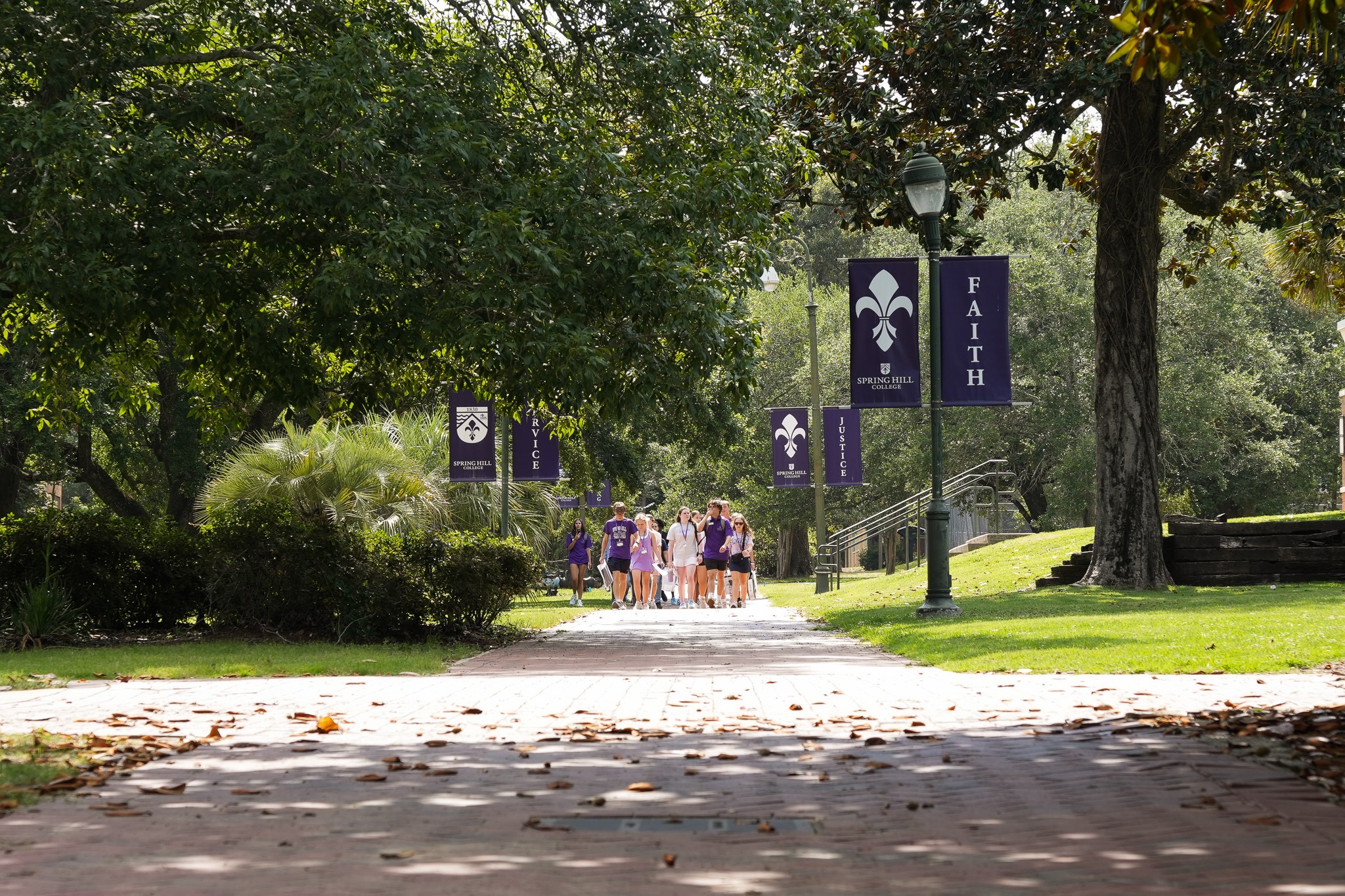
If you’re exploring college options, consider visiting Spring Hill College virtually or in person. See the campus, ask questions, and discover what your college experience could look like here.
Take the Next Step
Visit Spring Hill College and experience the community, campus and opportunities that could become part of your education journey.
ABOUT SPRING HILL COLLEGE:
Founded in 1830, Spring Hill College is the oldest Catholic college in the Southeast and the third oldest Jesuit college in the United States. Spring Hill combines the Jesuit tradition of excellence in education and a commitment to caring for the whole person — mind, body and spirit — with innovative educational experiences. Located in Mobile, Ala., Spring Hill’s mission is to form leaders engaged in learning, faith, justice, and service for life. As a result, Spring Hill students are engaged, inspired and transformed by their experiences.